The bit of the year that quietly wears people down
Nobody dramatically announces that winter is affecting them. It shows up quietly instead: people arriving and leaving in the dark, energy dipping through January, meetings that feel harder to get through than the same meetings would in June. None of it looks like much on any single day, which is exactly why it's easy to under-react to as a manager.
London winters do this to offices reliably enough that it's worth planning for, rather than just noticing it's happened again in February.
What's actually going on
A lot of it comes down to plain daylight. Commuting in the dark both ways for weeks at a stretch takes something out of people that summer commuting doesn't. Add in the general slump that tends to follow the Christmas break, when the year stretches out ahead with not much to look forward to, and January in particular becomes a predictable low point for a lot of teams.
For most people this is ordinary seasonal flatness, and movement, daylight, and a bit of structure can help ease it. If it looks like something more persistent than a slump, someone who isn't bouncing back as the days lengthen, or who's struggling well beyond what feels proportionate, that's worth a quiet word and a nudge towards proper support, not something to try and manage with a wellbeing session.
Why movement and daylight breaks help
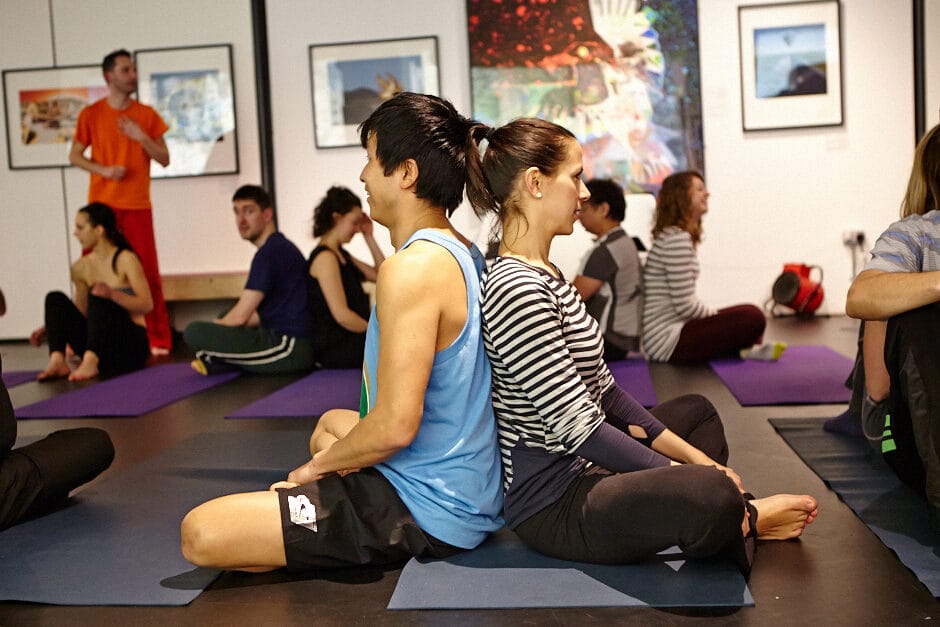
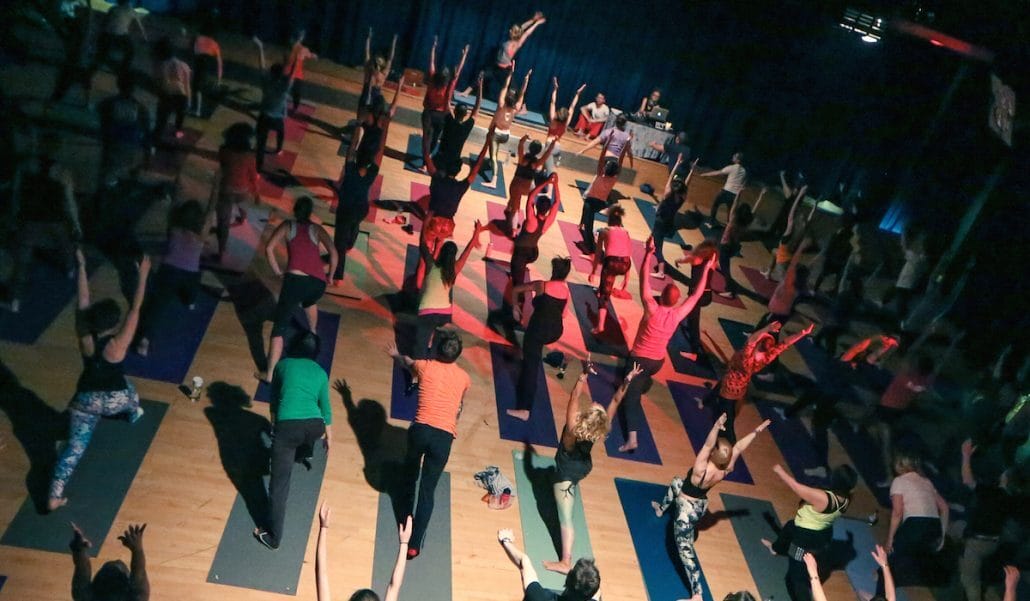
There's nothing complicated about this: getting people up from their desks and moving, even briefly, does something that sitting through another dark afternoon doesn't. It's not a fix for winter, but a short session can be a genuine bright spot in a day that otherwise runs from one dim window to the next.
Daylight breaks work on the same logic. Actually stepping outside at lunch, even briefly, even in the cold, tends to help more than staying under office lighting all day. Neither of these need to be complicated to be worth doing.
Scheduling wellbeing differently in winter
Offices that handle this well tend to shift what they offer through the darker months rather than running the same thing all year round. A few adjustments come up again and again.
- Moving sessions earlier in the day, when energy is higher and the light outside hasn't gone yet
- Leaning more on movement classes through January specifically, when the slump tends to bite hardest
- Building in shorter, more frequent sessions rather than one big one, so there's something to look forward to more often
- Treating the run-up to Christmas and the weeks after New Year as two different problems, not one long winter block
A steady winter, not a perfect one
None of this turns January into anyone's favourite month, and it isn't meant to. The aim is a bit steadier through the darker stretch, not a dramatic change to the whole season. Small, regular things, a movement session, a proper lunch break outside, a bit of structure to the darker months, tend to do more than one big gesture in December that's forgotten by the second week of the new year.
We've booked sessions into offices through every kind of London winter since 2012, and the pattern's consistent: teams that keep something regular going through January cope with it noticeably better than teams that pause everything over Christmas and pick it back up in March.
Quick answers
Can office yoga or movement sessions actually help with the winter slump?
They can help ease the general flatness a lot of people feel through the darker months, alongside daylight and rest. They're not a treatment for anything more serious than that.
When should someone seek more than a wellbeing session can offer?
If low mood or low energy isn't lifting as the days lengthen, or seems out of proportion to an ordinary slump, that's worth flagging quietly and pointing towards proper professional support.
Is there a best time of year to start something regular?
Before winter properly sets in is ideal, but January is a perfectly good time to start too, arguably when it's needed most.