The number, and where it comes from
PwC's workplace wellbeing research found that, on average, every £1 invested in workplace wellbeing returned £4.17, largely through lower absence, reduced staff turnover and stronger performance. It's a striking figure, and it's tempting to repeat it on its own — but it's worth understanding what actually sits behind it before you put it in front of anyone who'll ask a follow-up question.
It's an average drawn from a set of organisations that PwC studied, not a guaranteed outcome for any single company that spends money on wellbeing. Treat it as a credible signal that the investment tends to pay back, rather than a formula you can plug your own budget into and expect an identical multiple.
How the return actually shows up
The £4.17 figure isn't one single saving — it's a bundle of smaller effects that add up over time, and each one is worth understanding on its own terms.
- Lower absence — fewer stress-related sick days means less disruption and less spent on temporary cover or overtime to fill gaps.
- Reduced turnover — every departure carries a real cost in recruitment, onboarding and lost institutional knowledge, so keeping people a bit longer adds up quickly.
- Stronger performance — research consistently links a sense of being looked after at work with higher engagement, and engaged teams tend to be more productive and easier to retain.
Making the case to a finance director
The framing matters more than the figure itself. Presented as a cost, wellbeing competes with every other line item for approval. Presented as an investment with a plausible return, backed by PwC's research rather than a vague sense that it's 'a good thing to do', it becomes a different kind of conversation.
It also helps to bring your own numbers into the room rather than relying on an external one alone. If a particular team has had noticeably high turnover, or absence has crept up after a difficult period, those figures make the case far more concretely than an industry-wide average ever will.
What a realistic wellbeing programme actually looks like
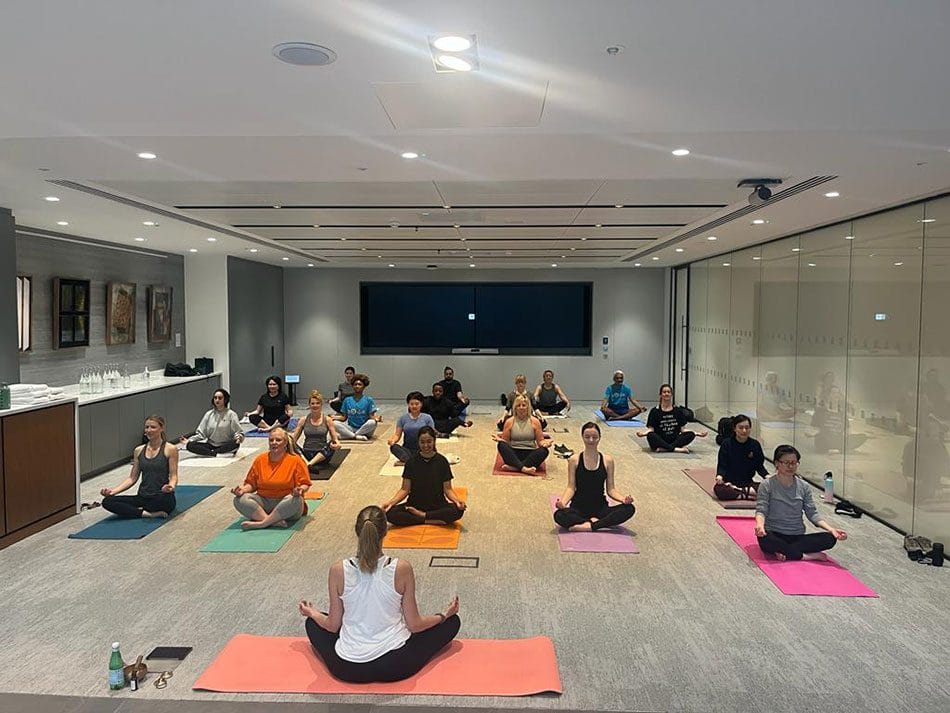
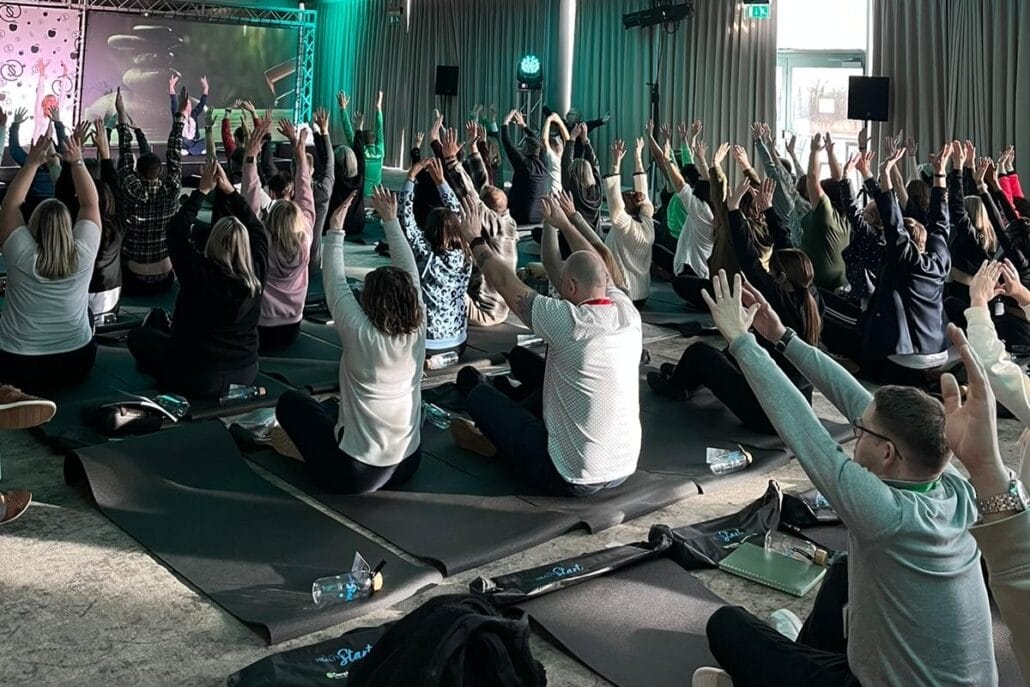
In practice, this tends to mean a mix of regular movement sessions, chair massage, and the odd workshop or mindfulness session, rather than one flashy one-off event. Consistency does more work here than novelty — a weekly or fortnightly booking that people can rely on tends to outperform a single wellness day, however well attended.
The practical side is usually simpler than people expect: teachers, equipment and scheduling are handled by the provider, a meeting room or clear corner of the office is normally enough space, and a first session can typically be arranged within about a week of getting started.
Realistic expectations
None of this pays off overnight, and it's worth saying so plainly rather than overselling a short pilot. The effects on absence, turnover and engagement tend to build over months rather than weeks, and they're easiest to see when a programme runs consistently rather than being tried once and quietly dropped.
It's also not a fix for a genuinely difficult workplace. Wellbeing sessions can help ease day-to-day stress and give people a proper break in the working day, but they won't undo the effects of chronic overwork or poor management on their own. The return PwC describes comes from real, sustained investment alongside decent working conditions, not as a substitute for them.