24 July, in case it's new to you
International Self Care Day falls on 24 July every year. The date's a deliberate bit of shorthand, 7/24, for looking after yourself around the clock rather than just when things go wrong. It began as a public health idea, aimed at everyday habits rather than crisis response, and it's since been picked up by workplaces as a natural moment to do something for staff.
It sits in a slightly different spot to the bigger mental health awareness dates: quieter, less well known, which oddly makes it easier to use well. There's less noise to compete with and less pressure for whatever you do to be the biggest thing on the calendar.
What offices tend to do with it
Because it's less prescribed than some of the other dates, there's more room to pick something that actually suits your team rather than following a template.
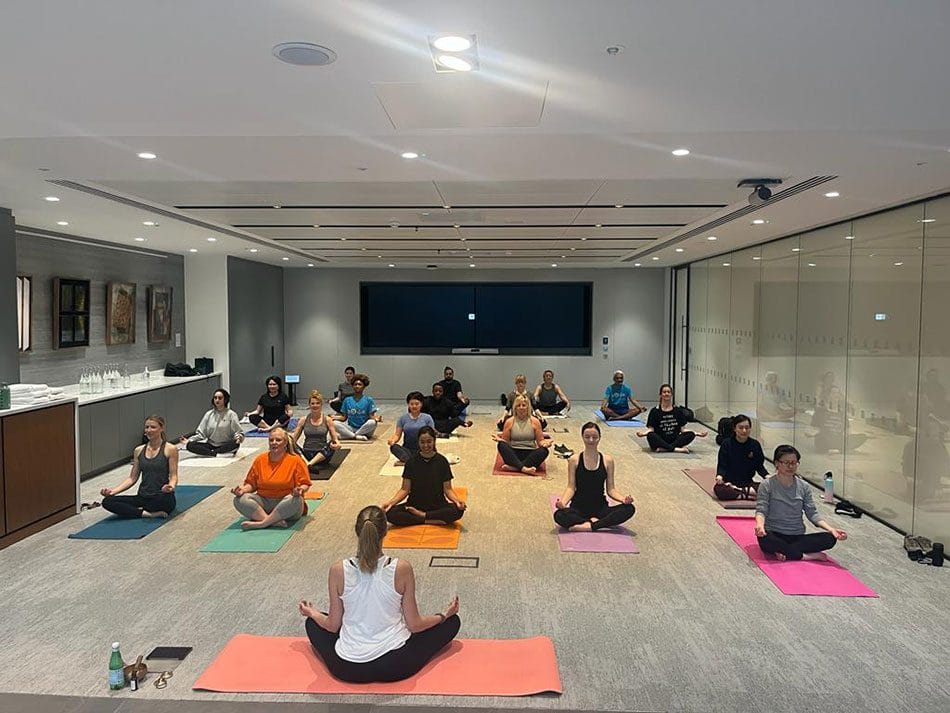
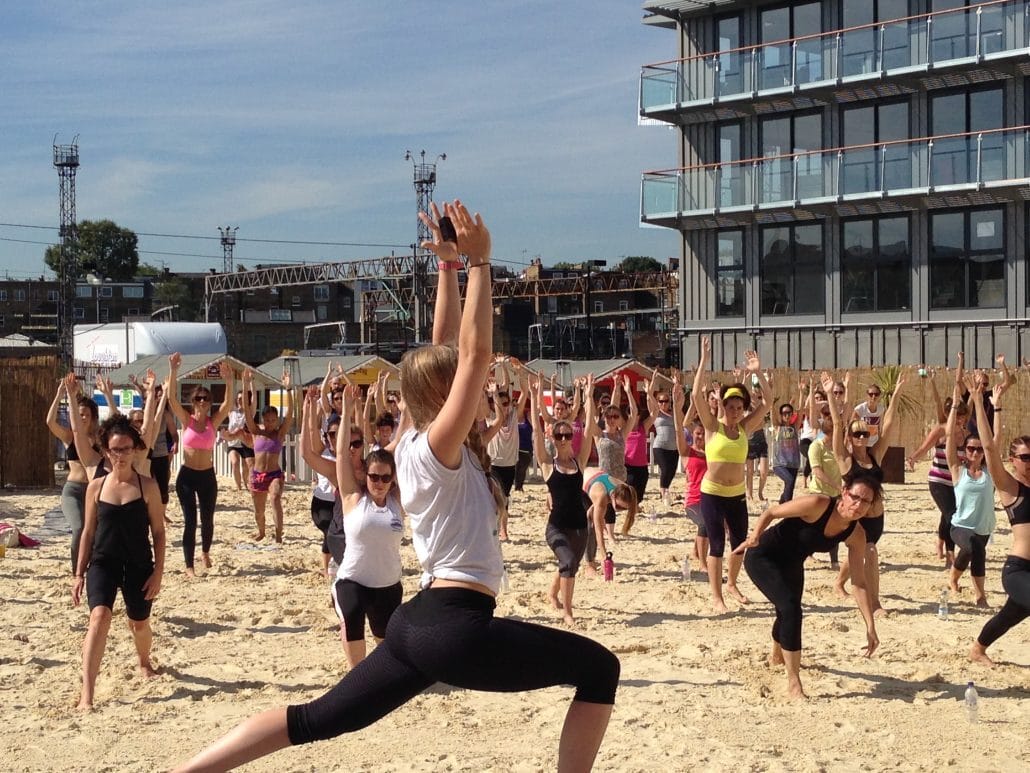
- A one-off class — yoga or a movement session, run as a proper break in the day rather than squeezed into a lunch hour
- A massage morning — chair massage set up for a few hours, people booked in and out as the morning goes on
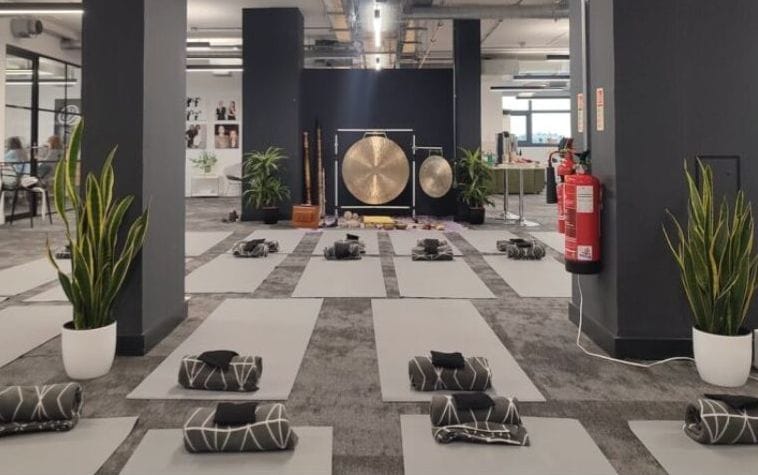
- A short mindfulness session — good for teams who'd rather sit quietly than move around
- A simple half day of flexibility — nothing organised at all, just permission to actually take a proper break
Booking timelines
Late July has its own quirks. It's the start of the summer lull for a lot of offices, which can work for you or against you depending on how you look at it. Fewer meetings to work around, but also more people away, so it's worth checking who's actually going to be in before locking in numbers.
Three to four weeks' notice is usually enough for this one, a bit less pressured than the bigger awareness weeks earlier in the year, but the same principle applies: get the date in the diary before you try to build anything around it.
If the date itself doesn't quite work
Office diaries rarely cooperate exactly with awareness days. If 24 July lands in the middle of a busy week, or half the team happens to be on leave that day, treat the date as a rough marker rather than a fixed one. Running something in the surrounding few days keeps the spirit of it intact, and it's unlikely anyone on the team is checking the exact date against a calendar.
What matters more than pinpoint timing is that it happens, and that people understand it's happening for a reason rather than appearing out of nowhere on a random Tuesday.
Why it pairs well with the summer calendar
Late July sits in a useful gap. It's usually past the scramble of the first half of the year, before the quieter stretch of August properly sets in, and well clear of the December calendar, when every office is trying to fit a party, a wellbeing session, and a dozen other things into the same three weeks. That makes it an easy one to actually get booked without competing for space on the diary.
Keeping it in proportion
It's a smaller date than some, and it's fine to treat it that way. A single good session marking it is a perfectly reasonable outcome, not a missed opportunity. The teams who get the most from it tend to be the ones who use it as a lightweight, once-a-year check-in on what's actually working for people day to day, rather than trying to make it carry more weight than a date on a calendar reasonably can.
We've set these up for offices across London since 2012, in every format from a single class to a full morning of massage, and the honest advice is the same every time: pick something that suits the size of your team and the space you've got, rather than the biggest version you can imagine.
Quick answers
What actually is International Self Care Day?
It falls on 24 July each year. The date, 7/24, is meant to represent self-care twenty-four hours a day, seven days a week. It started as a public health initiative and has since become a workplace wellbeing date too.
How much notice do we need to book something?
Three to four weeks is usually plenty, though July gets busy with summer schedules, so it's worth confirming who's actually in the office before you lock in numbers.
Does it need to be a big event?
Not at all. A single class or a morning of massage is a completely reasonable way to mark it.