Start with what you're actually trying to achieve
It's tempting to jump straight to booking things, but a wellness day works better when you can finish the sentence 'we're doing this because...'. Maybe it's a response to a stressful quarter, a general thank-you, part of a wider benefits push, or simply something that hasn't been done before and feels overdue. The goal doesn't need to be grand, but it should be specific enough to shape the decisions that follow.
A day meant to help people switch off after a heavy period looks different to one meant to introduce wellness as an ongoing idea. Knowing which you're aiming for makes every other decision easier.
Choosing a format
Most office wellness days draw from a similar pool of options, mixed and matched to suit the group and the goal.
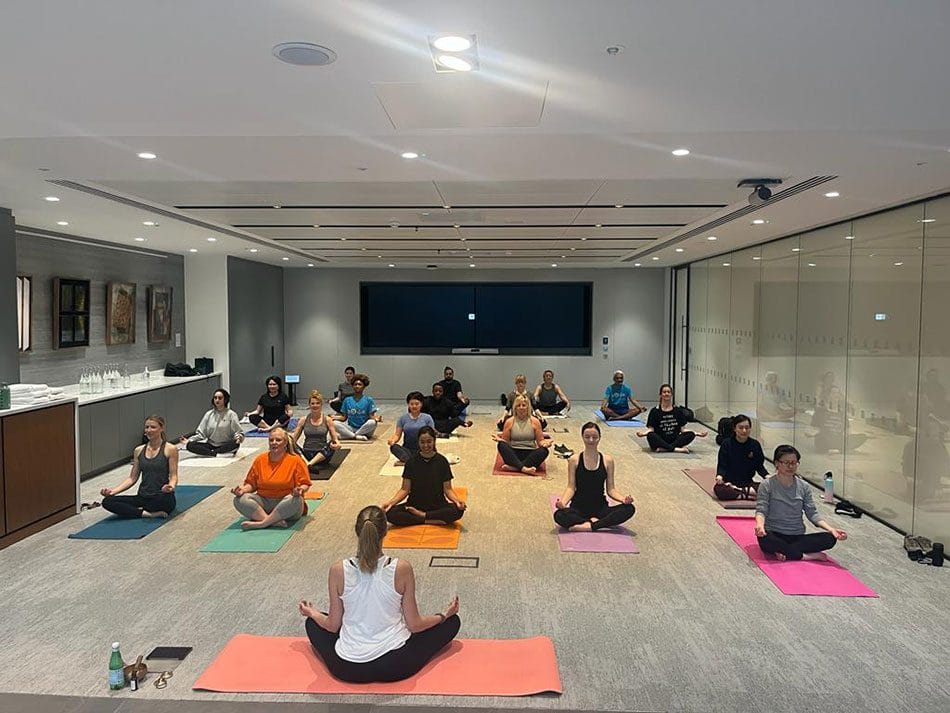
- Movement classes — yoga or Pilates sessions, usually kept fairly gentle and welcoming to people who've never done either.
- Chair massage — short, fully clothed sessions that tend to appeal to people who wouldn't sign up for a class.
- Workshops or talks — shorter sessions on things like sleep, stress or simple breathing techniques, useful for people who prefer to sit and listen.
- A mixed 'wellness fair' format — several short activities running across a day so people can drop in around meetings rather than blocking out a whole session.
Sorting the space
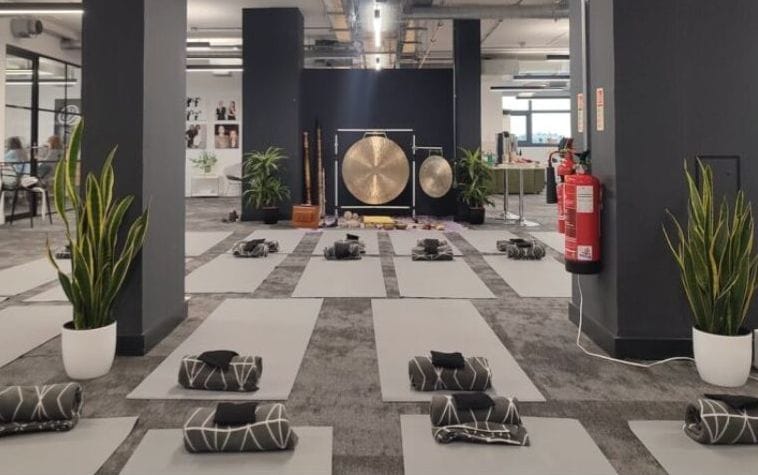
This tends to worry people more than it needs to. A meeting room or a clear corner of the office is genuinely enough for most formats — you don't need a studio, and you rarely need to move furniture around dramatically. What matters more is a bit of privacy for anything hands-on, reasonable ventilation, and enough notice for the room to actually be free.
If you're running more than one activity at once, think about noise — a chair massage session and a talk on stress don't sit well side by side in the same open space.
Designing the schedule
Back-to-back short slots generally work better than a few long ones, since they let people fit a session around meetings rather than clearing their whole diary. Building in a little buffer time between activities also matters more than it sounds — people run over, or need a minute before heading back to their desk, and a schedule with no slack anywhere quickly falls apart.
If you're covering a whole floor, it's worth staggering start times by team so managers aren't left short-staffed at the same moment.
Getting people to actually sign up
The single biggest predictor of a good turnout isn't the format, it's the communication. A single calendar invite sent the day before rarely lands well. Give people proper notice, be specific about what's actually involved (particularly for anything hands-on, so nobody's caught off guard), and make signing up as close to effortless as possible — a simple link beats an email reply thread every time.
Manager buy-in helps enormously here. A team lead who mentions it in a stand-up, or simply blocks the time in the team calendar, will get far higher take-up than an email from HR alone.
Common mistakes worth avoiding
A handful of things trip up most first-time wellness days, and they're all avoidable.
- Too little notice, so people have already filled the slot with meetings by the time they hear about it.
- Assuming everyone wants the same format — offering only one option shuts out a chunk of the team from the start.
- Not explaining what to expect, particularly for chair massage or anything physical, which puts off people who'd otherwise have joined in.
- Skipping senior buy-in, which sends a quiet signal that the day isn't really a priority.
- Forgetting the quieter members of a team who won't sign up publicly on a group thread — a private booking option helps here.
Quick answers
How far in advance should we plan a wellness day?
A few weeks gives you room to sort the format, book a provider and get proper notice out to the team. It can be done faster if needed — most providers can turn a first session around within about a week — but more lead time generally means a better turnout.
Do we need a dedicated room?
Not usually. A meeting room or a clear corner of the office is enough for most formats, particularly for a first attempt. You only need to think harder about space if you're running several activities at once.
What if take-up is low the first time?
It's common, and it's rarely a sign the idea doesn't work. A quieter first outing often has more to do with notice and communication than appetite, and turnout tends to improve once people have seen a colleague come back from a session and say it was worthwhile.